
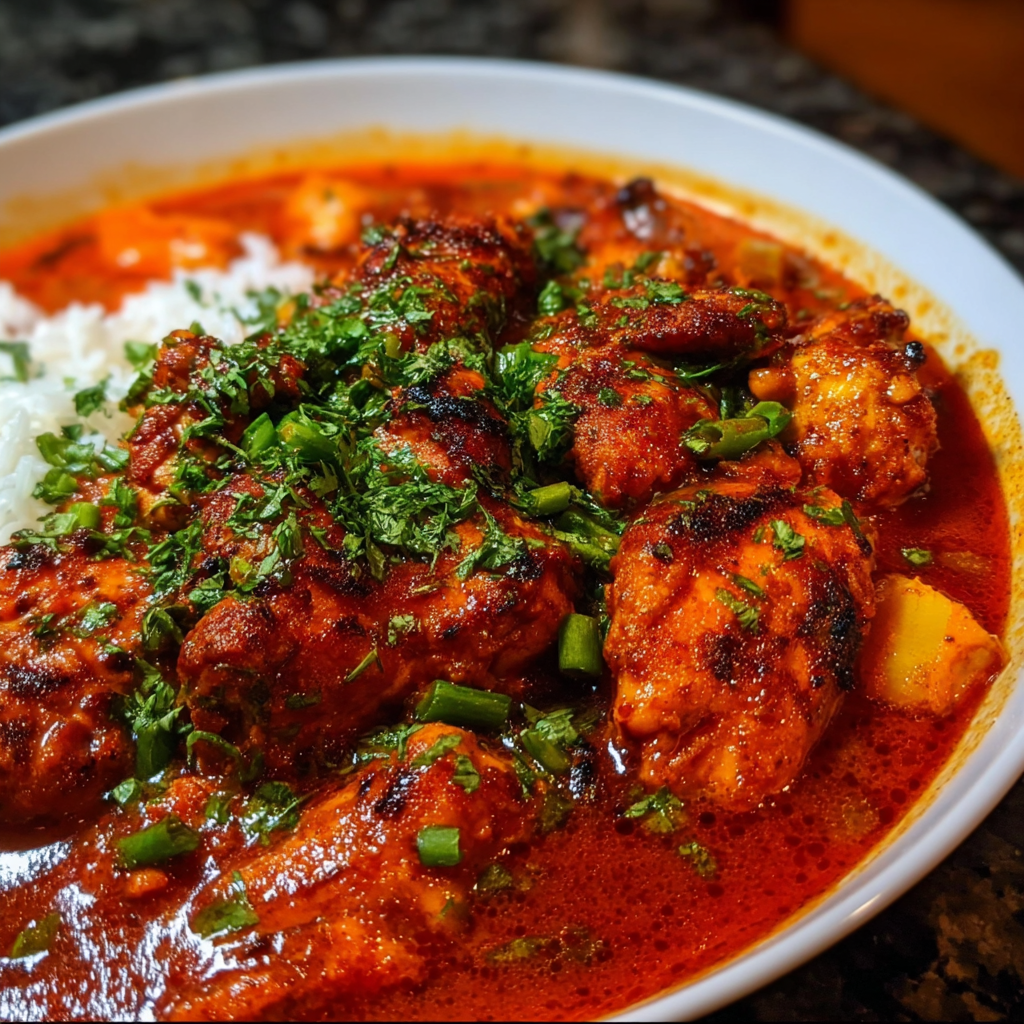
Welcome to My Kitchen: Let’s Cook Nigerian Chicken Stew with Rice!
If you love bold, hearty flavors with a bit of spice, you’re in for a treat! Nigerian chicken stew with rice is one of my all-time favorite dishes to make when I want something comforting, colorful, and packed with flavor. It’s a popular West African meal that feels like a warm hug on a plate. I’m excited to share this recipe with you because it’s both simple enough for weeknights and impressive enough to serve guests.
Why I Love Nigerian Chicken Stew
This dish perfectly balances spicy heat with the freshness of tomatoes and peppers, all simmered with tender chicken. The palm oil gives it a lovely, deep color and unique flavor that instantly takes you on a little culinary trip to Nigeria! Plus, the rice alongside it soaks up the sauce perfectly, making every bite deliciously satisfying. I always feel proud serving this one because it’s a true classic with bright, bold flavors.
What You’ll Need: Ingredients & Equipment
Ingredients
- 2 lbs chicken pieces (I like drumsticks and thighs, but use whatever you prefer)
- 4 large ripe tomatoes
- 2 red bell peppers
- 1-2 Scotch bonnet peppers (adjust this to your heat tolerance!)
- 1 large onion (split between blending and sautéing)
- 3 cloves garlic
- 1-inch piece fresh ginger
- 1/4 cup palm oil (you can substitute with vegetable oil if you prefer)
- 1 teaspoon curry powder
- 1 teaspoon dried thyme
- 2 seasoning bouillon cubes (or 1 tablespoon chicken bouillon powder)
- Salt and black pepper to taste
- Fresh cilantro or parsley for garnish
- 2 cups white rice
- Water (for cooking rice and stew)
Equipment You’ll Need
- Blender or food processor (for the pepper-tomato base)
- Large pot or deep skillet
- Large saucepan for cooking rice
- Knife and cutting board
- Wooden spoon or spatula
Step-By-Step Nigerian Chicken Stew with Rice
- Prep the chicken: Wash your chicken pieces and cut or trim as needed. Lightly season them with a bit of salt and set aside.
- Make the stew base: Roughly chop half the onion, all the tomatoes, red bell peppers, Scotch bonnet peppers, garlic, and ginger. Toss them in the blender and blend until you get a smooth, rich paste.
- Sauté the onions: Heat your palm oil in a large pot over medium heat. Add the remaining chopped onion and cook until softened and translucent (about 3-5 minutes).
- Cook the sauce: Pour in the blended pepper-tomato mixture and stir well. Let it cook on medium heat, stirring occasionally, until it thickens and the raw tomato smell disappears—this usually takes 15-20 minutes.
- Spice it up: Stir in curry powder, dried thyme, crushed seasoning cubes, salt, and black pepper. Mix everything thoroughly.
- Add the chicken: Place your seasoned chicken pieces into the pot, making sure they’re well coated in the sauce. Lower the heat to a gentle simmer, cover, and let everything cook together for 30-40 minutes. Stir now and then to avoid sticking and ensure the chicken cooks evenly.
- Adjust the stew: Taste your stew and add more salt or pepper if you think it needs it. If the stew is too thick, splash a bit of water and let it simmer a bit longer.
- Cook the rice: While your stew is cooking, rinse your white rice thoroughly under cold water. In a pot, add 2 cups of rice, 4 cups of water, and a pinch of salt. Bring to a boil, reduce heat, cover, and simmer on low until the water’s absorbed and the rice is tender (about 15 minutes).
- Serve and garnish: Plate your chicken stew alongside a rounded scoop of fluffy white rice. Sprinkle fresh cilantro or parsley over both to add color and freshness.
- Enjoy! Grab a spoon, take a bite, and savor the bold, spicy goodness of this traditional Nigerian dish.
Helpful Tips for Cooking This Stew
- Don’t skip the palm oil: It really brings out the authentic flavor and gives the stew that rich color. But if you can’t find it, vegetable oil works fine as a substitute.
- Adjust heat carefully: Scotch bonnet peppers are very spicy, so start with one pepper and add more if you like it hotter.
- Keep stirring: Stir the stew occasionally as it simmers to prevent the sauce from burning at the bottom.
- Rice rinse is key: Rinse the rice well to remove excess starch. This prevents the rice from getting mushy and keeps the grains fluffy.
- Leftovers: This stew tastes even better the next day because the flavors develop beautifully. Store leftovers covered in the fridge and reheat gently.
Variations You Might Like
- Make it milder: Omit the Scotch bonnet pepper or use just a small piece to reduce heat while keeping flavor.
- Swap the protein: Instead of chicken, you can try turkey, fish, or even tofu for a vegetarian twist (just cook gently to avoid breaking tofu).
- Add veggies: Toss in chopped carrots, green beans, or peas toward the end of cooking for extra texture and nutrients.
- Use brown rice: If you want a healthier fiber boost, brown rice pairs wonderfully but will take longer to cook.
Nutritional Benefits of This Dish
This Nigerian chicken stew and rice recipe is not only tasty but also nourishing! Chicken is a great source of lean protein, helping you stay full and energized. Tomatoes and peppers provide vitamins A and C, plus antioxidants that support your immune system. The ginger and garlic add natural anti-inflammatory properties, while the rice gives you good carbs for lasting energy. Using herbs like thyme and fresh cilantro also brings extra flavor without extra calories.
Frequently Asked Questions
- Can I use boneless chicken? Absolutely! Just be careful not to overcook boneless pieces since they cook faster.
- What can I substitute for Scotch bonnet peppers? Habanero peppers are a close substitute. If you want less heat, try using red chili flakes or a mild pepper.
- Is palm oil necessary for flavor? Palm oil adds a unique taste and traditional color, but you can use vegetable or canola oil if needed.
- How do I store leftovers? Store in an airtight container in the fridge for up to 3 days, or freeze portions for up to a month.
- Can I make this stew in advance? Yes! The flavors develop beautifully if you make the stew the day before serving.
Ready to Taste the Flavors of Nigeria?
I hope you feel inspired to try this recipe soon! It’s one of those meals that can light up your dinner table with minimal fuss but maximum flavor. If you do give it a go, I’d love to hear how it turns out for you. Don’t forget to follow me on Pinterest for more tasty recipes like this one — and feel free to share your pictures and tips too. Let’s make cooking fun and delicious together!